How do you turn dispersed community energy into something visible, structured, and alive?
How do you amplify community impact?
How do you design technology that strengthens identity instead of diluting it?
These questions came from life experience.
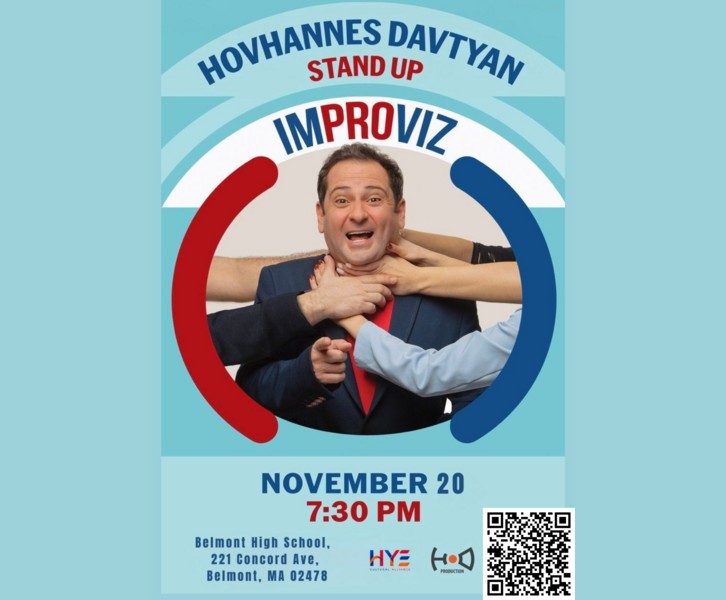
The idea for Armenopole was born in August 2017, during a visit to New York City. I was there for a global workshop and wanted to take advantage of the trip to experience Armenian community life. I searched online, checked social networks, and tried to find Armenian events or gatherings. I found nothing.
Yet Armenian life was there.
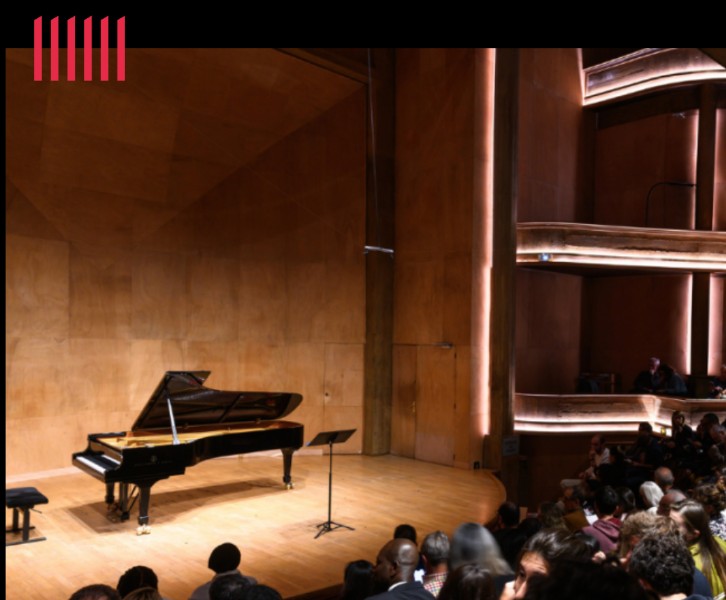
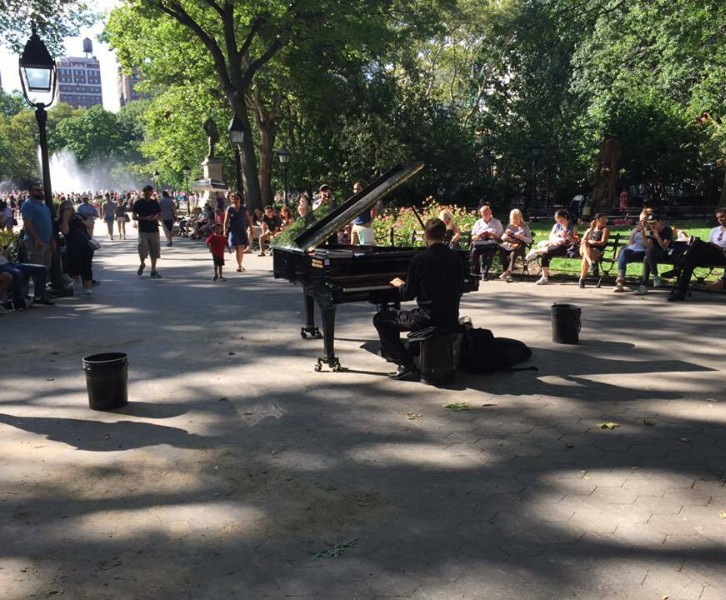
On my last day, I walked through Washington Square Park. A live piano concert was taking place in the middle of the park. Music filled the space, people gathered, and I stood there for a few blissful minutes before continuing my walk.
Only later, at JFK airport, during one last scroll on my mobile before boarding, I realized what I had missed. An Armenian pianist had performed there only minutes before or minutes after I passed through.
I had been in the right place at the right time, with no way of knowing that an Armenian cultural moment had just happened or was about to happen.
That realization stayed with me on the flight back to Paris. Armenian cultural and community life was happening everywhere, yet it remained invisible if you were not already connected. If this could happen in New York, how many moments were being missed across the world?
That question became action.
I built the platform in a few months, and Armenopole went live in April 2018. The goal was simple: give global and structured visibility to Armenian cultural and community life. Not by replacing what already existed, but by amplifying it.
From the start, Armenopole followed one clear principle: the community publishes itself. Artists, community members, organizations, and producers publish their own events directly on the platform.
It soon became clear that making things visible was not enough; visibility had to be able to grow.
Before the summer of 2018, I built automated weekly newsletters generated directly from published events and organized by country. Then came social media. Events began circulating across Facebook, Twitter, Instagram, LinkedIn, and later TikTok. Each event stopped being static and began to travel.
The next step was natural. With the contribution of Narek Talatinian, my nephew, Armenopole gained a native mobile application. The platform was no longer something people visited occasionally. It became something they carried.
To extend that reach further, I opened the Armenopole API. Partner media such as NorHaratch, Yeram, BelgaHay Radio, and ArmenGuide began redistributing events automatically.
At that point, I built my own automated event amplification system. Events were structured and distributed programmatically. This proved that community information could scale without scaling human effort and that Armenopole could already behave like a central hub for Armenian events.
Growth followed trust, not advertising.
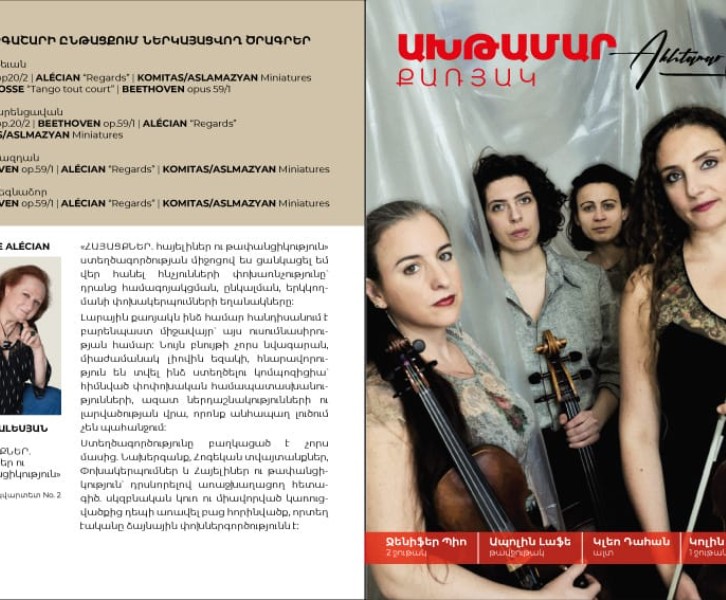
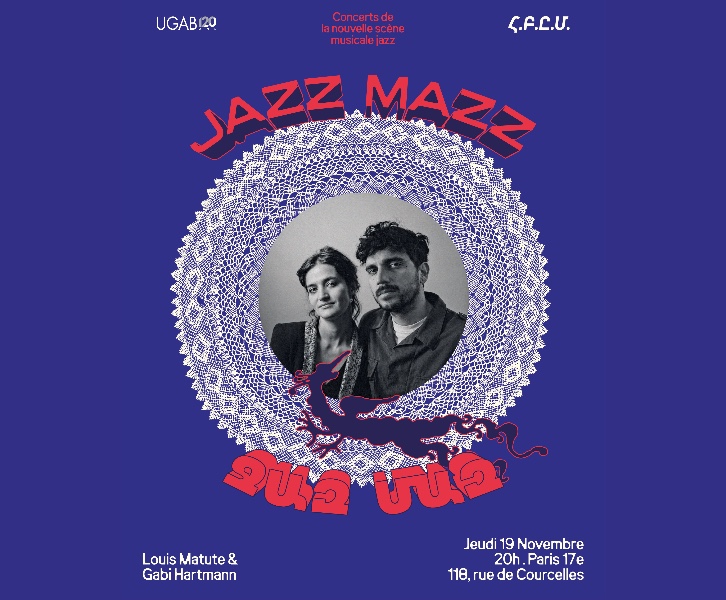
I ran campaigns with Armenian artists and bands, connecting their shows and concerts to Armenopole’s distribution channels. These collaborations reinforced Armenopole’s role as a platform that actively supports cultural creation.
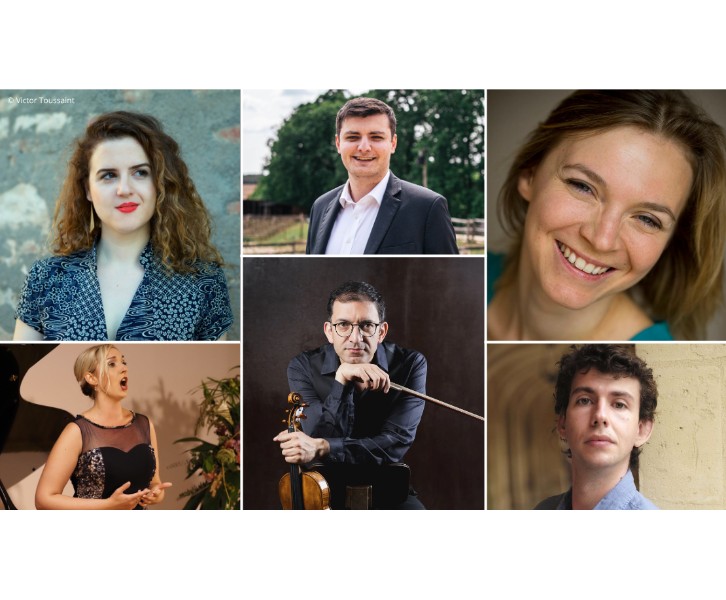
Beyond artists and cultural actors, I also supported and, in some cases, partnered with global Armenian foundations and initiatives such as Repat Armenia Foundation, helping communicate around the Engage Armenia Forums organized across Europe and the Gulf region; Primavera Foundation, through its Emerging Artists Program; FAST Foundation, notably to support the Gala Advance Armenia organized in Paris; and Fonds Arménien de France. These collaborations further anchored Armenopole as a trusted platform serving both cultural life and long-term community initiatives.
When modern AI models emerged, Armenopole was ready.
I benchmarked ChatGPT, Mistral, DeepSeek, and Claude. Support for Western Armenian made the difference.
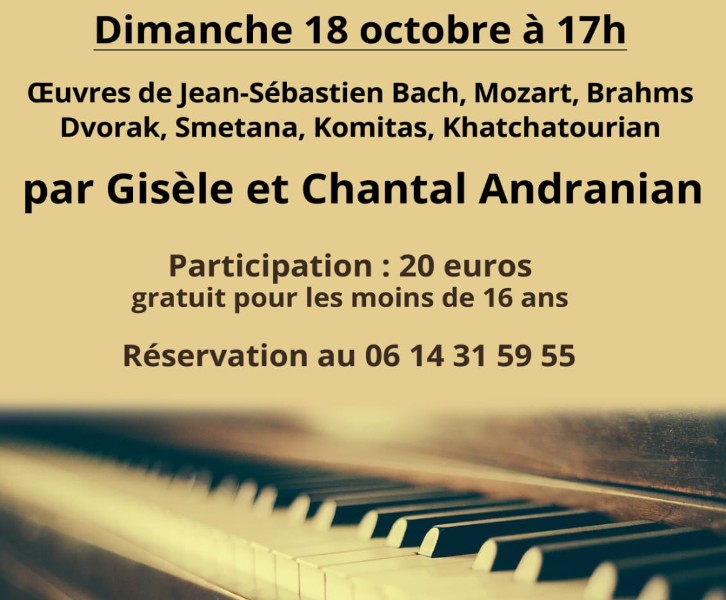
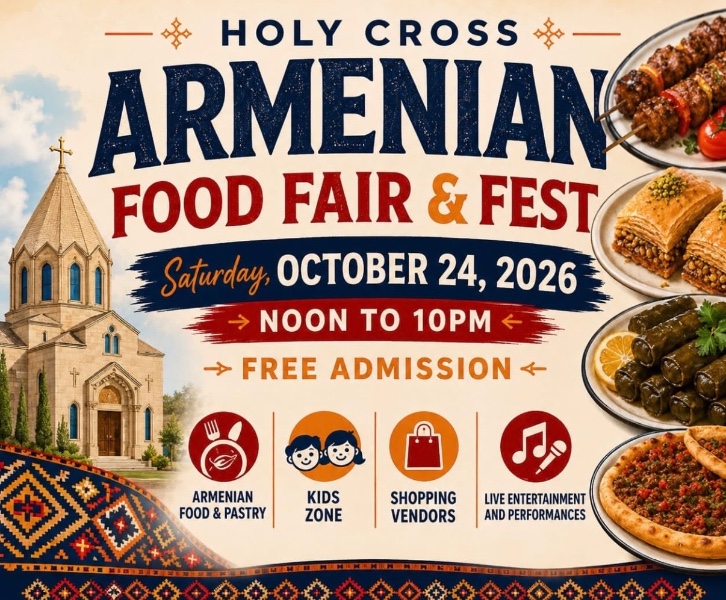
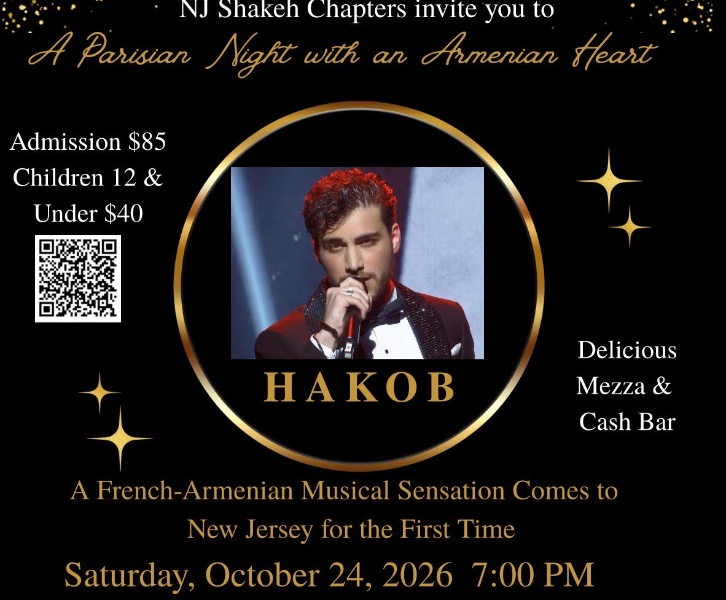
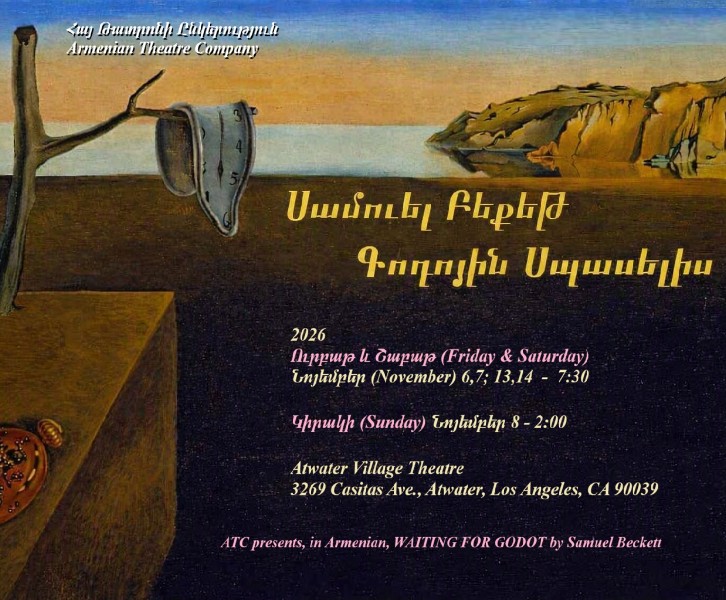
AI accelerated everything. Event publishing became frictionless. Organizers simply upload a poster, and the platform automatically extracts the title, date, time, location, and description. With Armenopole GPT, events are explored through conversation rather than lists. AI also generates optimized, structured social media content and SEO-friendly articles, extending each event’s reach beyond its original moment.
The platform started to evolve faster.
Armenopole has been online since 2018. In less than 18 months, it became AI-powered. Not by chasing trends, but by following a simple logic from the beginning: automate early, earn trust, distribute openly, and apply intelligence where it removes friction and amplifies impact.
Armenopole reflects years of community life. The website receives over 122,000 unique visitors per year and counts more than 23,000 newsletter subscribers. Since launch, over 11,000 events have been published, with more than 2,000 Armenian organizations, producers, and artists actively posting their events on the platform.
Today, Armenopole is no longer just a place where events are published. It has become a backbone for Armenian cultural life.
And now, the questions are no longer about technology.
What would change if every community initiative could instantly reach the entire diaspora?
What if every event became a bridge instead of a moment?
What would a connected diaspora be capable of creating together?
These are not future dreams.
They are already taking shape.
— Talatinian Hagop
Founder of Armenopole