When Two Musical Worlds Collide
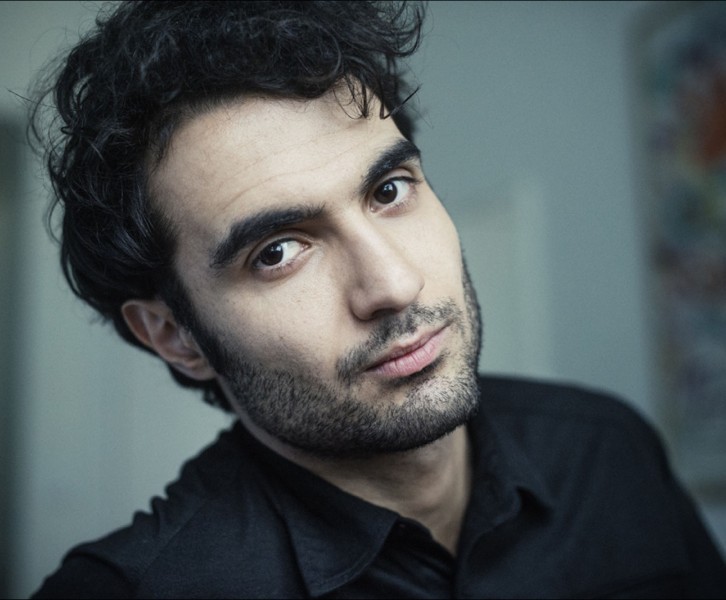
Imagine sitting in a concert hall, the lights dimming, and suddenly hearing the opening notes of "Chiquitita", but not as you've ever heard it before. The melody is familiar, comforting even, but it's been transformed, elevated through the harmonic language of Mozart. This is the vision that Serouj Kradjian brings to life in his groundbreaking concert, ABBA Meets Mozart, coming to Montreal's Salle Claude-Champagne on June 7, 2026.
For those unfamiliar with Kradjian's work, this Armenian-Canadian pianist has built a reputation for doing the unexpected. A graduate of the prestigious Curtis Institute of Music and a prize-winner at the Honens International Piano Competition, Kradjian has never been content to simply perform the standard repertoire. His previous projects have included everything from Armenian folk music arrangements to contemporary compositions, always pushing boundaries while maintaining impeccable musicianship.
The Audacity of the Concept
The premise sounds almost impossible: take the Swedish pop phenomenon ABBA, a group that defined the sound of the 1970s with their infectious melodies and studio production wizardry, and reimagine their songs through the compositional techniques of Wolfgang Amadeus Mozart, the 18th-century master who died nearly two centuries before ABBA even formed. Yet this is precisely the kind of artistic challenge that Kradjian thrives on.
What makes this concept work isn't just technical prowess. Both ABBA and Mozart, despite their vastly different eras and genres, share something fundamental: an understanding of melody that speaks directly to the human heart. ABBA's Benny Andersson and Björn Ulvaeus crafted songs with sophisticated harmonic progressions that belied their pop accessibility. Mozart, meanwhile, could make the most complex musical ideas sound effortless and natural. Kradjian's genius lies in finding the common thread between these two musical languages.
An Ensemble of Exceptional Talent
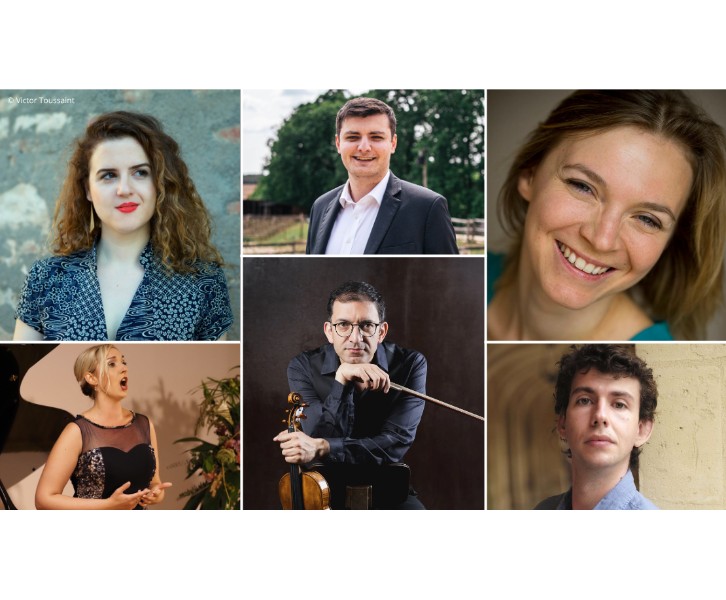
Kradjian won't be alone on stage. He'll be joined by soprano Manet-Miriam Baghdassarian, whose voice has graced opera houses across North America, and Catherine Bessette, adding another layer of vocal artistry. The Quatuor Rhapsodie, a string quartet known for their adventurous programming, rounds out the ensemble. This isn't a solo piano recital, it's a full chamber music experience, with arrangements that allow each instrument and voice to shine.
The choice of repertoire is telling. "Chiquitita," with its gentle, almost hymn-like quality, lends itself naturally to classical treatment. "The Winner Takes It All," ABBA's most emotionally raw ballad, promises to be devastating when stripped of its 1980s production and rebuilt with classical instrumentation. These aren't novelty arrangements, they're serious musical reimaginings that honor both the source material and the classical tradition.
The Montreal Connection
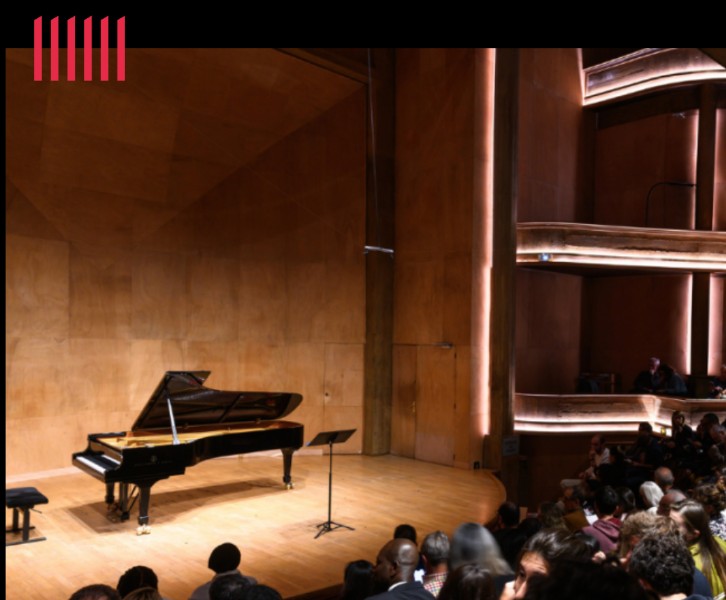
The venue itself adds another layer of significance. Salle Claude-Champagne, located in the heart of Outremont at 220 Avenue Vincent-D'Indy, is one of Montreal's premier concert halls. Part of the Université de Montréal's music faculty, it has hosted countless legendary performers and has acoustics specifically designed for chamber music. For a concert that depends on clarity, precision, and the ability to hear every nuance, there's no better space in the city.
Montreal's Armenian community has long supported Kradjian's career, and this concert represents another opportunity to celebrate one of their own who has achieved international recognition while maintaining strong ties to his heritage. Though this particular program focuses on Western pop and classical music, Kradjian has consistently championed Armenian composers and has spoken about how his Armenian identity informs his artistic choices.
What to Expect on June 7
The concert begins at 7:00 PM, with doors opening at 6:00 PM, giving audience members time to settle in, perhaps grab a program, and prepare for what promises to be an unforgettable evening. This is billed as "one night only," and given Kradjian's busy international touring schedule, it's unlikely to be repeated in Montreal anytime soon.
Those familiar with Kradjian's performances know to expect the unexpected. He's known for his physical approach to the piano, his ability to draw colors from the instrument that other pianists miss, and his willingness to take interpretive risks. Combined with the inherent drama of the ABBA-Mozart fusion concept, this concert promises moments of genuine surprise alongside passages of breathtaking beauty.
Beyond the Gimmick
In lesser hands, a concept like "ABBA Meets Mozart" could easily become a gimmick, a novelty act that gets a few laughs but lacks substance. What separates Kradjian's approach is his deep respect for both musical traditions. He's not mocking ABBA by classicizing them, nor is he dumbing down Mozart by adding pop elements. Instead, he's exploring the universal qualities that make both bodies of work endure: strong melodies, emotional honesty, and craftsmanship.
This kind of cross-genre experimentation has precedents. Jacques Loussier spent decades reimagining Bach through jazz. The Swingle Singers brought baroque music to pop audiences through vocal arrangements. What Kradjian is doing fits into this tradition of musical bridge-building, showing that the boundaries between "high" and "low" art are more porous than we often assume.
Securing Your Place
Seats are limited, and given Kradjian's following in Montreal, early booking is strongly advised. Tickets are available through the event's dedicated platform, and the intimate size of Salle Claude-Champagne means that every seat offers an excellent view and sound experience. This is the kind of concert that people will be talking about for years, the kind where you'll want to say you were there.
For the Armenian community in Montreal and beyond, this concert represents more than just an evening's entertainment. It's a chance to support an artist who has brought honor to Armenian culture on the world stage, who continues to push artistic boundaries, and who reminds us that music, at its best, transcends categories and connects us to something larger than ourselves.
On June 7, when Serouj Kradjian sits down at the piano in Salle Claude-Champagne, two centuries will collapse, two musical worlds will merge, and for one electrifying night, we'll all be reminded why music matters. Don't miss it.